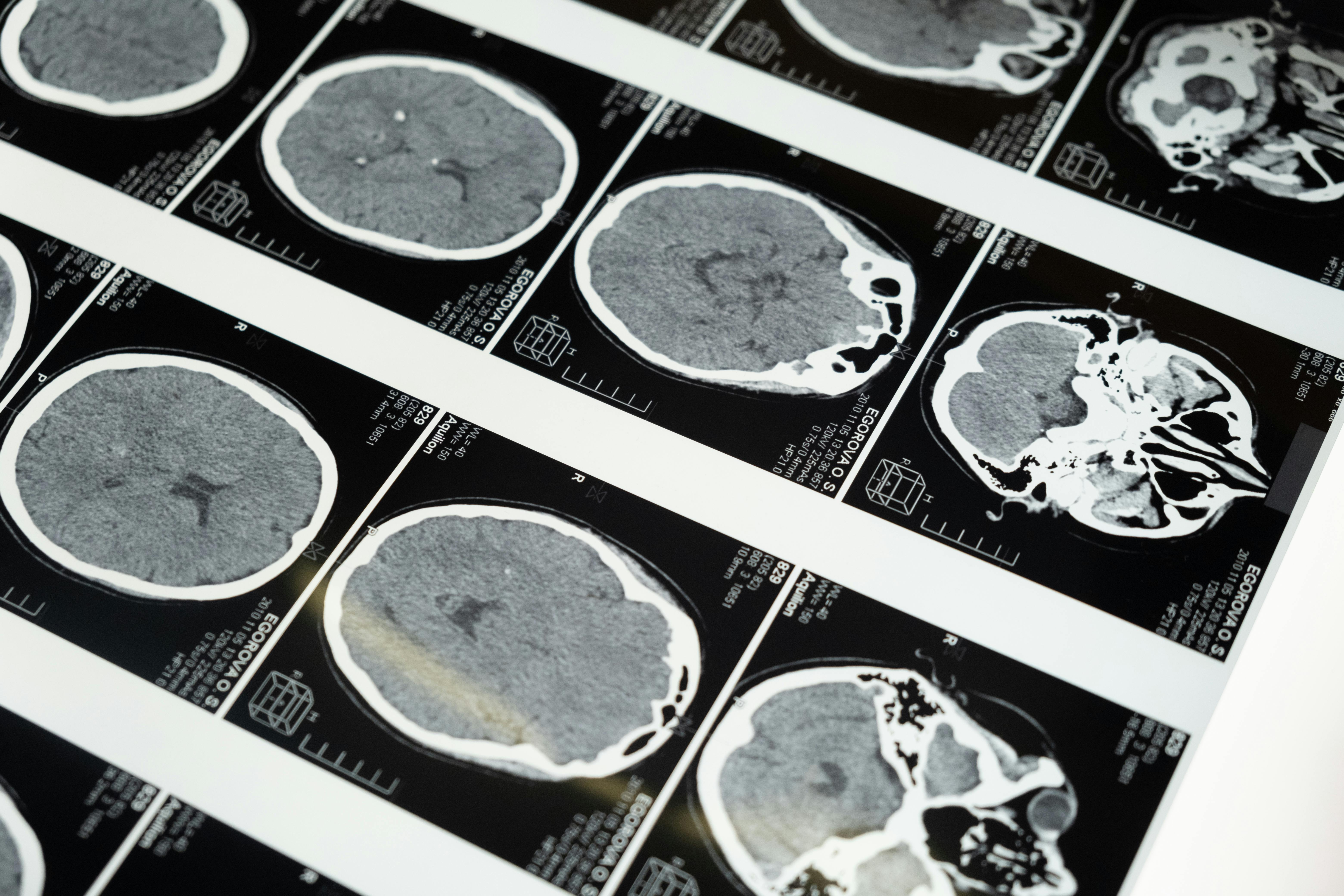
Concussions are one of the most common brain injuries, affecting an estimated 200,000 Canadians each year. Whether caused by a sports collision, a fall, a car accident, or any impact to the head, a concussion disrupts normal brain function and can leave you dealing with symptoms that affect nearly every part of your daily life.
While most concussions resolve within a few weeks, some people experience lingering symptoms — particularly dizziness, balance problems, and difficulty with head and eye movements — that can persist for months. This is where vestibular rehabilitation becomes a critical part of recovery. In this guide, we will explain how concussions affect the brain, what vestibular rehab involves, and what you can do to support your recovery at home.
How Concussions Affect the Brain
A concussion is a mild traumatic brain injury caused by a bump, blow, or jolt to the head — or a hit to the body that causes the head and brain to move rapidly back and forth. This sudden movement stretches and damages brain cells, creating chemical changes in the brain that affect how it processes information.
One of the most significant ways a concussion affects daily life is through the vestibular system. A concussion often impairs the brain's ability to tolerate head movements and eye movements. This can cause:
- Dizziness — a feeling of lightheadedness or unsteadiness, especially when changing positions
- Spinning sensation (vertigo) — a false sense that you or your surroundings are moving or rotating
- Balance problems — difficulty standing steadily, walking in a straight line, or navigating uneven surfaces
- Difficulty reading — trouble focusing on text because the eyes struggle to track smoothly across a page or screen
These symptoms occur because the concussion disrupts the delicate coordination between your inner ear (vestibular system), your eyes (visual system), and your brain. Normally, these three systems work together seamlessly to keep you balanced and oriented. After a concussion, this communication breaks down, leading to the symptoms described above.
Other common post-concussion symptoms include headaches, fatigue, difficulty concentrating, memory problems, irritability, and sensitivity to light and noise. Many of these are interconnected — for example, the effort your brain puts into compensating for vestibular dysfunction can worsen fatigue and concentration difficulties.
What is Vestibular Rehabilitation?
Vestibular rehabilitation is a specialized form of physical therapy that focuses on improving the relationship between the inner ear, brain, eyes, muscles, and nerves. It is designed to help the brain recalibrate and compensate for the disruptions caused by a concussion or other vestibular disorder.
This therapy is typically recommended when dizziness, balance issues, and movement-related symptoms persist after a concussion — usually beyond the initial two-to-four-week window when many concussion symptoms begin to improve on their own. Rather than waiting for symptoms to resolve passively, vestibular rehab takes an active approach, using targeted exercises to retrain the brain's ability to process balance and movement information correctly.
Vestibular rehabilitation is performed by physiotherapists with specialized training in vestibular assessment and treatment. It is evidence-based, safe, and highly effective for most patients who complete the recommended course of therapy.
Signs You May Need Vestibular Rehab
Not every concussion requires vestibular rehabilitation, but you should consider being assessed if you experience any of the following symptoms beyond the first couple of weeks after your injury:
- Dizziness that worsens with head movements, such as looking up, turning your head, or bending down
- A spinning sensation (vertigo) that comes on with position changes, like rolling over in bed or getting up from a chair
- Difficulty with balance, especially on uneven surfaces, in the dark, or in visually busy environments like grocery stores
- Trouble reading, using a computer, or scrolling on your phone because the text appears to jump or blur
- Nausea triggered by movement or visual stimulation
- Neck pain, stiffness, or headaches that seem connected to head movements
- Feeling "off" or disoriented in crowded or noisy spaces
- Difficulty returning to school, work, or sports because of persistent symptoms
If any of these sound familiar, a vestibular evaluation can determine whether your symptoms are related to vestibular dysfunction and whether targeted rehabilitation would help.
What Happens During a Vestibular Evaluation?
A thorough vestibular evaluation is the first step in developing an effective treatment plan. Your physiotherapist will assess several key areas to understand the full picture of your symptoms and their underlying causes:
- Eye movements — testing how well your eyes track objects, focus during head movements, and coordinate together. This reveals whether the connection between your vestibular system and your visual system has been affected.
- Balance — assessing your ability to maintain steady posture under different conditions, such as standing with your eyes open versus closed, or on a firm surface versus a soft one.
- Posture — evaluating your overall body alignment and any compensatory patterns you may have developed since the concussion.
- Neck range of motion, strength, and joint mobility — the neck is closely linked to vestibular function, and concussions often cause neck strain. Limited neck movement can contribute to dizziness and headaches.
- Movement-induced dizziness — carefully testing specific head and body movements to determine which positions or activities provoke your symptoms and how severe the response is.
This comprehensive evaluation allows your physiotherapist to pinpoint exactly which systems have been affected and design a rehabilitation program that targets your specific deficits.
What to Expect During Rehabilitation
Although each patient's treatment plan will be different based on their evaluation findings, most patients can expect to be in therapy for four to eight weeks, with sessions typically once or twice per week.
Rehabilitation follows a gradual progression:
- Early phase: Therapy begins with simple exercises that focus on reducing dizziness and managing neck pain or tightness. These might include gentle eye-tracking exercises, slow head movements, and basic balance activities performed in a controlled environment.
- Middle phase: As your symptoms begin to decrease, treatments become more challenging. Your physiotherapist will combine balance exercises with vestibular activities, introduce more dynamic movements, and begin simulating real-world situations that previously triggered symptoms.
- Later phase: The focus shifts to functional activities and return-to-activity goals. This might include sport-specific drills, exercises that challenge your balance in unpredictable ways, and activities that involve both physical and cognitive demands at the same time.
The ultimate goal is to get you back to your sports, school, work, or other daily activities with full confidence in your balance and movement. Your physiotherapist will guide the pace of progression based on how your symptoms respond, ensuring you are never pushed too fast.
Home exercises are a critical part of the program. Your physiotherapist will prescribe specific exercises to do between appointments, and consistency with these exercises is one of the biggest factors in a successful recovery.
Tips for Concussion Recovery at Home
In addition to attending your rehabilitation sessions, there are several things you can do at home to support your recovery and manage symptoms day to day.
Manage Your Rest and Activity
The current evidence no longer supports complete rest in a dark room for days after a concussion. Instead, the recommended approach is relative rest for the first 24–48 hours, followed by a gradual return to light activities as tolerated. Listen to your body — if an activity makes your symptoms worse, scale back, but do not stop moving entirely. Gentle walking, light household tasks, and brief social interactions are usually well tolerated early on.
Be Mindful of Screen Time
Screens can be particularly challenging after a concussion because they require sustained visual focus and rapid eye movements. In the early days, limit screen use to short periods (10–15 minutes at a time) and take frequent breaks. Reduce screen brightness, increase text size, and use dark mode when possible. If you find that screens are a major trigger for your symptoms, a pair of blue light blocking glasses can help reduce visual strain and make screen use more comfortable as you gradually increase your tolerance.
Prioritize Sleep
Quality sleep is essential for brain recovery after a concussion. Try to maintain a consistent sleep schedule, even on weekends. Avoid caffeine in the afternoon and evening, keep your bedroom cool and dark, and limit screen use before bed. If neck pain or headaches are disrupting your sleep, a supportive neck support pillow can help keep your cervical spine in a neutral position and reduce discomfort throughout the night.
Stay Hydrated and Eat Well
Your brain needs adequate nutrition and hydration to heal. Drink plenty of water throughout the day, eat regular meals, and focus on whole foods rich in omega-3 fatty acids, antioxidants, and protein. Avoid alcohol entirely during recovery, as it can worsen symptoms and slow healing.
Gradual Return to Activity
Returning to exercise, sports, school, or work should follow a step-by-step protocol guided by your healthcare provider. Each stage should be symptom-free for at least 24 hours before progressing to the next. Rushing back too quickly increases the risk of symptom flare-ups and can prolong your recovery.
Support Your Home Exercises
Once your physiotherapist gives you the go-ahead, incorporating balance training at home can accelerate your progress. A balance board is an excellent tool for at-home vestibular exercises, helping to challenge your balance system in a controlled way. Always get clearance from your physiotherapist before adding any new equipment to your home exercise program, and start with the simplest exercises before progressing.
Avoid Re-injury
One of the most important aspects of concussion recovery is avoiding a second concussion before you have fully recovered from the first. A repeat concussion during the recovery window can lead to significantly worse outcomes. Do not return to contact sports or high-risk activities until you have been fully cleared by your healthcare provider.
When to Seek Help
While many concussion symptoms improve on their own, certain situations warrant prompt medical attention.
Seek emergency care immediately if you experience:
- Worsening headache that does not improve with rest or medication
- Repeated vomiting
- Seizures
- Slurred speech or confusion
- Weakness or numbness in the arms or legs
- Loss of consciousness
- One pupil larger than the other
Book a physiotherapy assessment if:
- Your symptoms have not improved after two weeks
- Dizziness, balance problems, or visual difficulties are interfering with your daily life
- You have been unable to return to school, work, or sports due to persistent symptoms
- Neck pain or stiffness is contributing to your headaches or dizziness
- You are unsure whether your symptoms are normal or whether they require treatment
Early intervention leads to better outcomes. Research consistently shows that patients who begin vestibular rehabilitation sooner tend to recover faster and more completely than those who wait. If you are uncertain about whether you need help, err on the side of getting assessed — a physiotherapist can determine whether treatment is needed and put your mind at ease either way.
Ready to Start Your Concussion Recovery?
Jumana Khambatwala is a Registered Physiotherapist with expertise in concussion and vestibular rehabilitation, practicing in Ottawa and Limoges, ON. Book an assessment to get a personalized recovery plan tailored to your symptoms and goals.
Book a Vestibular Assessment